tech
From sky to road: in-flight and in-vehicle entertainment

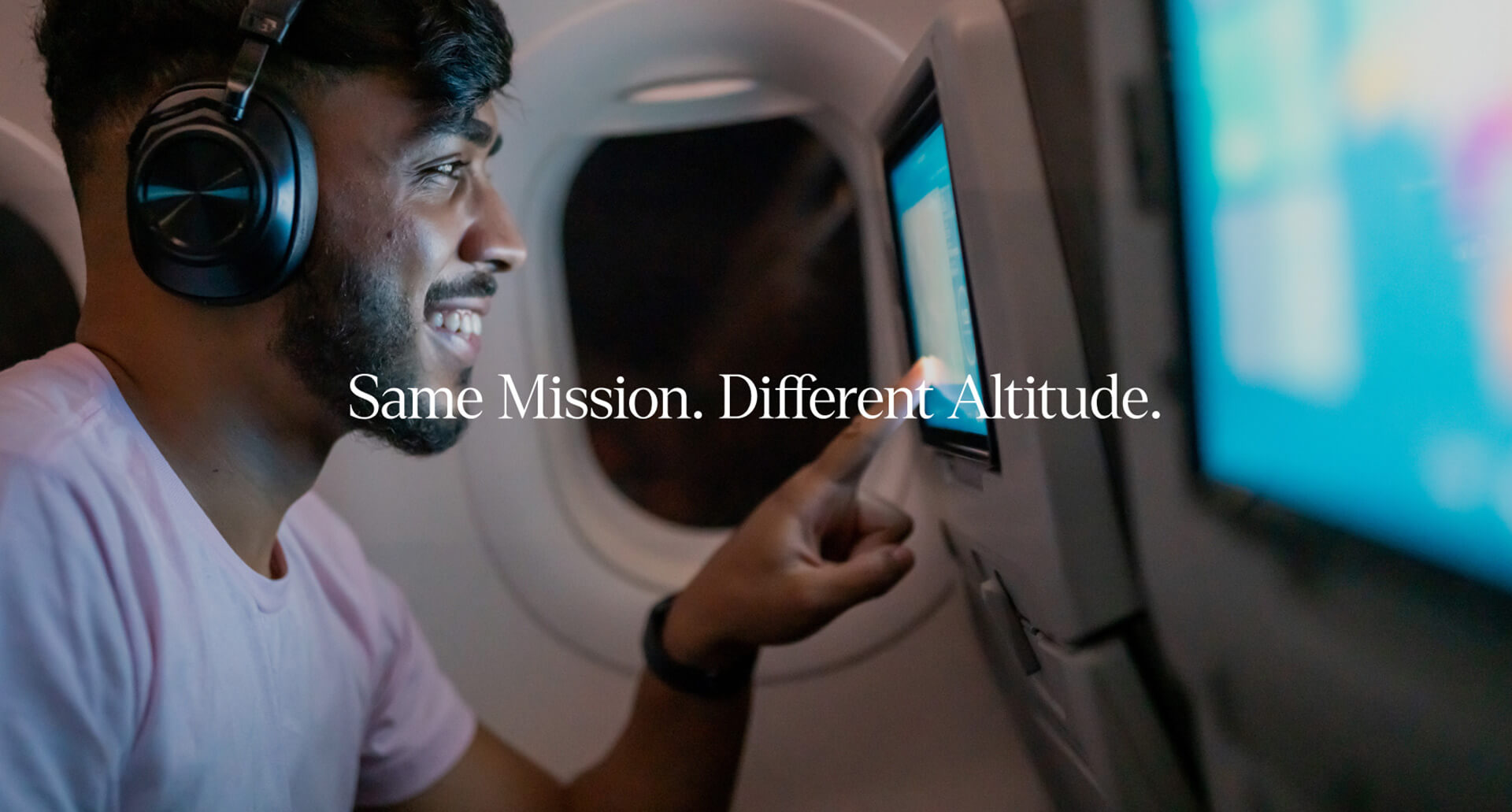
Imagine this: a traveler settles into their seat on a long-haul flight, scrolling through a curated list of films. Meanwhile, down on the road, a passenger taps into a podcast playlist as their car glides into the evening traffic. Whether cruising at 35,000 feet or navigating rush-hour traffic, travelers increasingly expect the same thing: a seamless, personalized entertainment experience during the journey.
Working across both in-flight and in-vehicle entertainment has shown us something surprising: these environments may seem worlds apart, but they are shaped by remarkably similar design ambitions, technical constraints, and evolving user expectations. What emerges is the potential for shared innovation.
Aligned systems in distinct contexts
In-Flight Entertainment (IFE) and In-Vehicle Infotainment (IVI) systems are designed to transform idle travel time into meaningful, engaging experiences. From seatback screens to dashboard displays, they aim to deliver seamless, personalized entertainment on the move under a shared set of constraints including motion, noise, limited space, and fluctuating connectivity.
These systems must perform reliably in motion, through turbulence or potholes. Interfaces need to be glanceable, low-distraction, and usable without onboarding. Content has to be stored, cached, or streamed based on context and bandwidth.
In a sense, they are built for mobility, and that makes the challenge unique: creating experiences that remain reliable in motion, adaptable to changing conditions, and intuitive to different users across a wide range of use cases.

The connectivity challenge: once a barrier, now a bridge
For years, limited connectivity was the biggest constraint in both IFE and IVI. Spotty coverage, expensive bandwidth, and unpredictable latency shaped what was possible (or rather, what wasn’t).
That landscape is shifting. In aviation, satellite infrastructure is becoming faster and more accessible. In automotive, the rollout of 5G and edge computing is enabling near real-time responsiveness, even on the move. Connectivity now supports seamless handoffs between moments and devices. A podcast picks up where it left off mid-journey. A movie catalog updates mid-air. A UI adapts depending on whether you are driving or parked. These capabilities unlock a new kind of experience, one that responds to context, not just commands.
Today, connection is no longer the challenge. The focus has shifted to what we create with that connectivity. In both industries, the ability to adapt to context is becoming a key differentiator.
Android as common ground
Few technologies have bridged the gap between aviation and automotive as clearly as Android. What began as a familiar interface has become a shared foundation: scalable, open, and backed by a global developer community.
Android offers more than surface-level consistency. Its architecture supports faster development cycles, simpler updates, and access to features that once depended on proprietary, custom-built systems. In both industries, it has become a reliable core for building adaptable and future-ready experiences.
Across aviation and automotive, Android is helping teams transform seatback screens and dashboards from static displays into dynamic platforms that evolve with content, services, and use cases over time.
Behind the interface, Android is also changing how these systems are built. Hardware manufacturers, software developers, and content providers can now collaborate within a shared environment. Instead of developing isolated solutions from scratch, they can connect into a common ecosystem that accelerates integration, reduces complexity, and supports innovation without compromising control.
Content is king, but context is queen
What passengers expect and what actually works can vary dramatically depending on a given situation. Attention span, posture, trip length, and interaction constraints all influence what feels natural and what adds value along the journey.
In the air, video leads the way. Seatback screens and long-haul journeys invite passengers to lean back and immerse themselves in films, series, and live content. On the road, audio is king. Drivers and front-seat passengers rely on music, podcasts, and voice navigation to stay engaged without losing focus.
But these content patterns are evolving. Rear-seat vehicle passengers are increasingly engaging with video, especially on longer trips or during charging breaks. In parallel, more air travelers are turning to audio formats such as podcasts and audiobooks, drawn by the flexibility, personalization, and calm they provide.
This evolution is pushing both industries to rethink. From how content is licensed, managed, and presented across different environments to how UX frameworks adapt to seat position, screen type, and interaction mode, there’s one key rule: the right content in the right context is what ultimately drives engagement.
Industrialization and certification: the hidden complexity
What feels effortless to passengers often hides immense complexity. In both aviation and automotive, delivering entertainment at scale means navigating rigorous regulations, managing long product lifecycles, and ensuring stability across diverse platforms.
In automotive, infotainment platforms must meet strict requirements around functional safety and long-term support across diverse vehicle models. Thanks to software-defined vehicle architecture, these systems can now evolve after production, enabling new features, fixes and continuous improvements. In aviation, certification cycles can span years, and hardware must remain stable over time. Still, the industry is adopting more modular architectures that better support updates after deployment.
But the core challenge is shared: building systems that are robust and adaptable, capable of evolving with user expectations without compromising reliability. And when entertainment feels seamless up in the clouds or in city traffic, it’s because someone solved for the hard parts without letting the user feel them. That invisible craft is where engineering quietly enables emotion.
Cross-industry inspiration: lessons in both directions
Innovation rarely moves in a straight line. As IFI and IVE systems evolve, both industries are quietly learning from each other’s strengths.
In automotive, there is growing momentum around app ecosystems, features on demand enabled by software-defined vehicle architecture, and personalization. These are areas where aviation continues to face regulatory and structural barriers. Meanwhile, aviation has long mastered modular hardware, stable platform design, and curated content libraries that could inspire new approaches in the automotive space.
These are not just technical similarities. They are opportunities to accelerate progress by rethinking how proven ideas travel between sectors. What works at 35,000 feet might unlock new potential on the road. And what moves people on the ground could reshape how we design experiences in the air.
At the intersection of IFE and IVI lies a shared ambition: to make time in transit more meaningful. Whether the destination is across the city or across continents, people want to feel connected, understood, and engaged along the way.
Designing for both road and sky opens up a broader perspective. It reveals mobility as a connected landscape, where experiences move across platforms, contexts, and expectations with continuity and care.
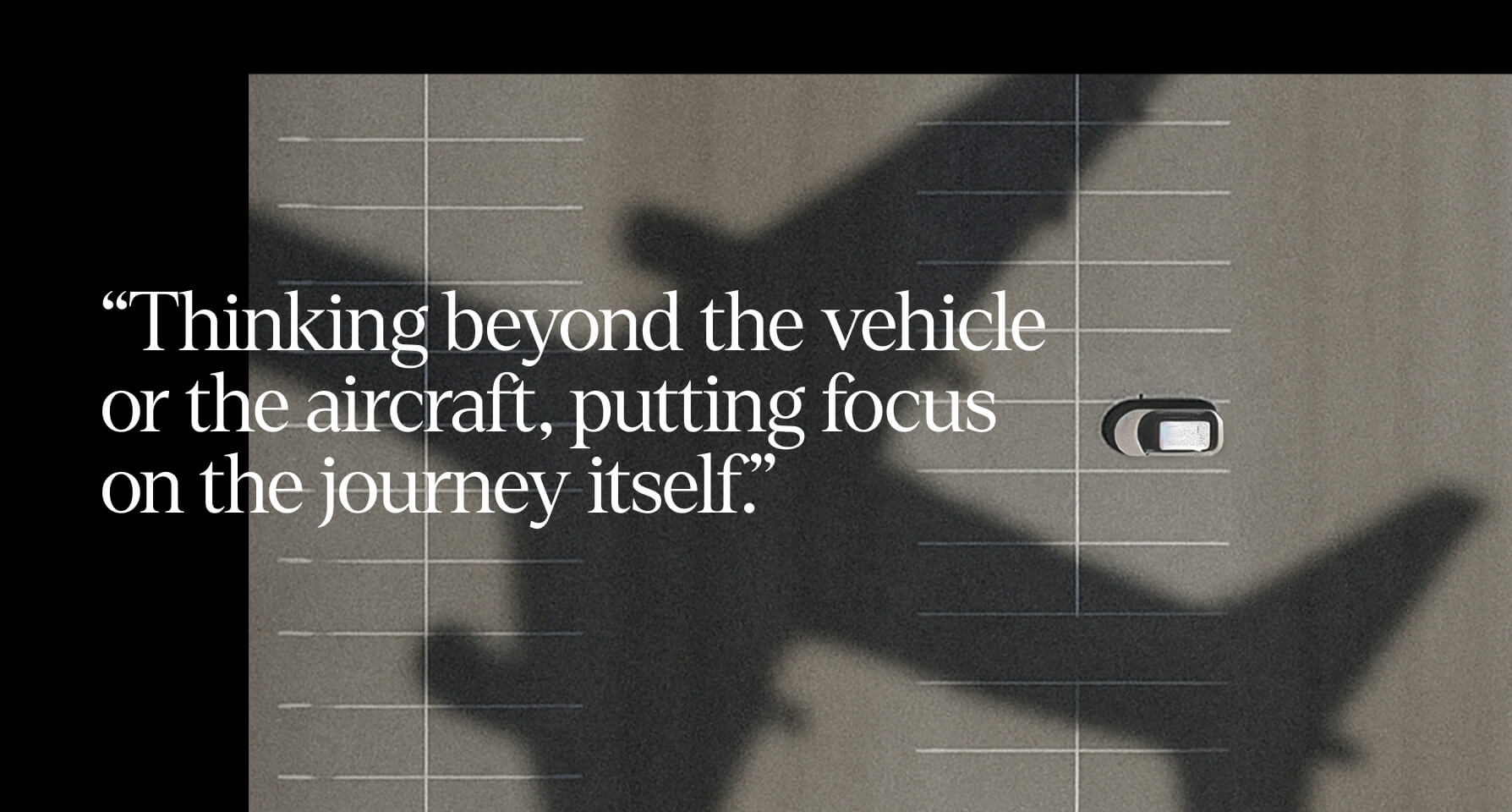
The opportunity lies in thinking beyond the vehicle or the aircraft, and focusing on the journey itself, with its rhythms, its moments, and its possibilities. The future of mobility entertainment is being shaped by this shift. It is immersive, intelligent, and intentionally human. And above all, it is built to move with us.